24 hrs Emergency -
Ambulance
Make Appointment -

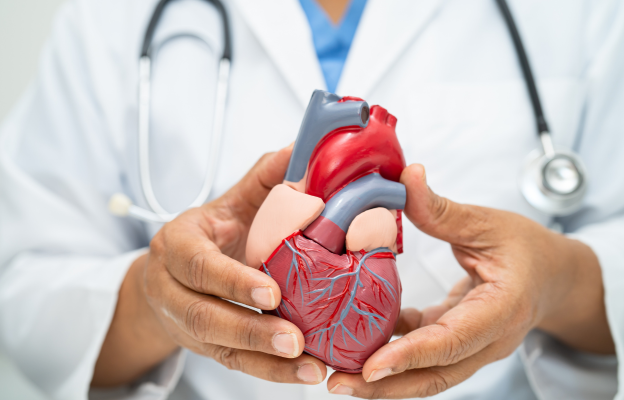
Heart Disease - Prevention and Treatment

Heart disease, including conditions like coronary artery disease, is a leading cause of health problems but can often be prevented and managed through healthy lifestyle choices and medical care. To reduce your risk, eat a balanced diet rich in fruits and vegetables, stay physically active, avoid smoking, maintain a healthy weight, and control blood pressure, cholesterol, and blood sugar levels. If diagnosed with heart disease, treatment may involve medications, lifestyle changes, and sometimes medical procedures. Regular checkups and early attention to symptoms like chest pain or shortness of breath are essential to keep your heart healthy and prevent complications.
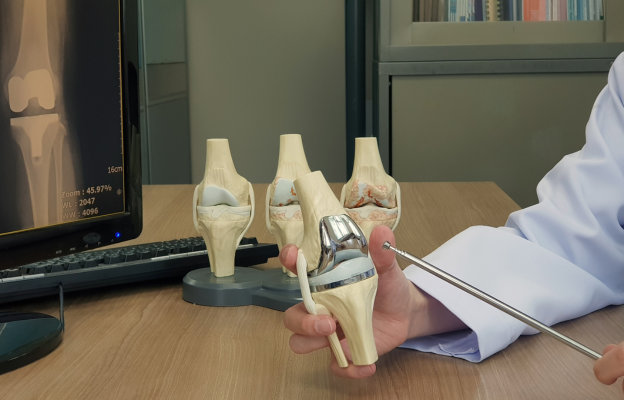

Knee Care and Joint Replacement

Taking good care of your knees is important to maintain mobility and reduce pain, especially if you have arthritis or joint damage. Regular exercise, maintaining a healthy weight, and avoiding excessive strain can help keep your knee joints strong and flexible. When knee pain becomes severe and limits daily activities, joint replacement surgery may be recommended to restore function and improve quality of life. Modern knee replacement procedures are safe and effective, helping patients return to active lifestyles with less pain and better mobility. Always consult your doctor for proper diagnosis and personalized treatment options.

Deficiency Disorders: Boosting your immunity

Deficiency disorders occur when your body lacks essential nutrients like vitamins and minerals, which can weaken your immune system and make you more susceptible to infections. To boost your immunity, it’s important to maintain a balanced diet rich in vitamins A, C, D, E, zinc, and iron—found in fruits, vegetables, nuts, and lean proteins. Staying hydrated, getting enough sleep, managing stress, and regular exercise also strengthen your body's defenses. If you suspect a deficiency, consult your healthcare provider for proper testing and supplements to keep your immune system strong and healthy.

Urinary Incontinence

Urinary incontinence is the involuntary leakage of urine, a condition that affects many women and can significantly impact daily life and confidence. It can result from weakened pelvic floor muscles, hormonal changes, childbirth, or underlying medical conditions. Common types include stress incontinence (leakage during activities like coughing or sneezing) and urge incontinence (a sudden, intense need to urinate). Though often underreported due to embarrassment, urinary incontinence is highly treatable through lifestyle changes, pelvic floor exercises, medications, or surgical options. Early consultation with a healthcare provider can lead to effective management and improved quality of life.

Fatty Liver

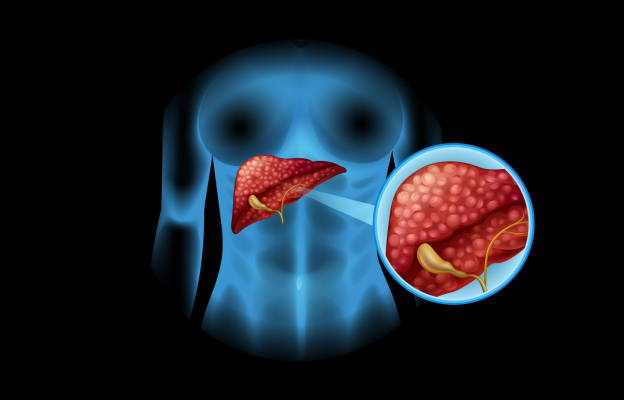
Fatty liver disease occurs when excess fat builds up in the liver cells, often due to obesity, poor diet, diabetes, or alcohol use. In its early stages, fatty liver may cause no symptoms, but if untreated, it can lead to liver inflammation, scarring (cirrhosis), and even liver failure. The good news is that fatty liver can often be reversed with lifestyle changes like losing weight, eating a balanced diet, exercising regularly, and avoiding alcohol. Regular checkups and following your doctor’s advice are important to keep your liver healthy and prevent complications.

Heart Care

Heart care involves taking steps to keep your heart healthy and prevent heart disease. This includes maintaining a balanced diet low in saturated fats and salt, staying physically active, managing stress, avoiding tobacco, and keeping conditions like high blood pressure, diabetes, and high cholesterol under control. Regular medical checkups help detect any early signs of heart problems so they can be treated promptly. By making heart-healthy choices every day, you can improve your quality of life and reduce the risk of heart attacks, strokes, and other complications.!

Hepatitis C

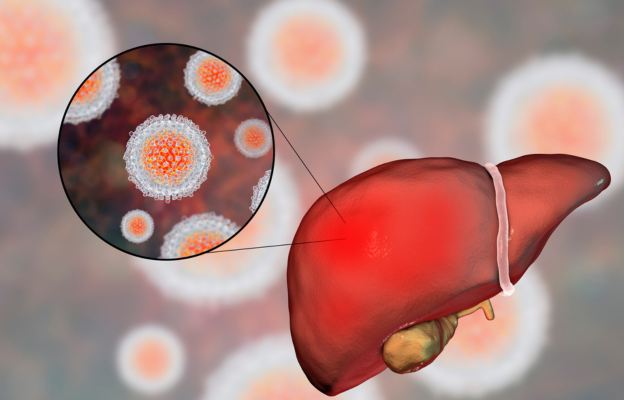
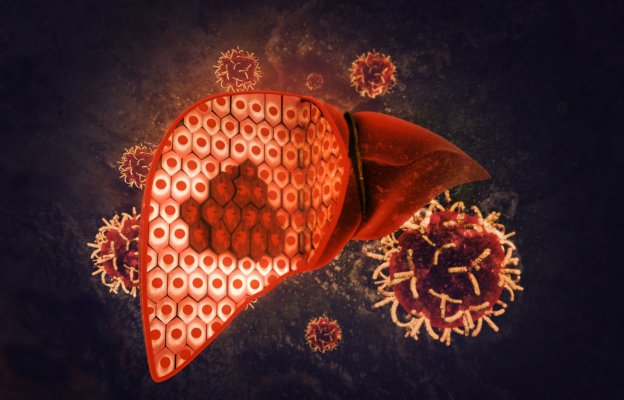
Hepatitis C is a viral infection that primarily affects the liver and can lead to serious liver damage if untreated. It spreads through contact with infected blood, commonly via unsafe injections, blood transfusions, or sharing needles. Many people with hepatitis C may not show symptoms for years, making regular screening important if you're at risk. Modern antiviral treatments can effectively cure most cases, preventing complications like liver cirrhosis or cancer. To protect yourself, avoid sharing needles, ensure safe medical practices, and get tested if you believe you’ve been exposed. Early diagnosis and treatment are key to maintaining liver health.

Alcohol v/s the Liver

Alcohol can have a significant impact on your liver, which is responsible for processing and detoxifying substances in your body. Excessive or chronic alcohol consumption can cause liver inflammation, fatty liver disease, alcoholic hepatitis, fibrosis, and eventually cirrhosis—a serious, irreversible scarring of the liver. Over time, this damage impairs liver function and increases the risk of liver failure or cancer. To protect your liver health, it’s important to drink alcohol in moderation or avoid it altogether, maintain a balanced diet, and get regular medical checkups. If you have concerns about alcohol use and your liver, consult a healthcare professional for guidance and support.

Blood Ties

Blood ties, or biological relationships, play an important role in your health. Many medical conditions, such as diabetes, heart disease, certain cancers, and genetic disorders, can run in families. Knowing your family medical history helps doctors assess your risk and take preventive steps early. Sharing this information with your healthcare provider allows for better screening, early diagnosis, and personalized care. Blood ties also matter in organ donation, tissue matching, and blood transfusions, where compatibility often depends on genetic factors. Staying informed about your family’s health history can empower you to make smarter, healthier choices for the future.

Blood Donation

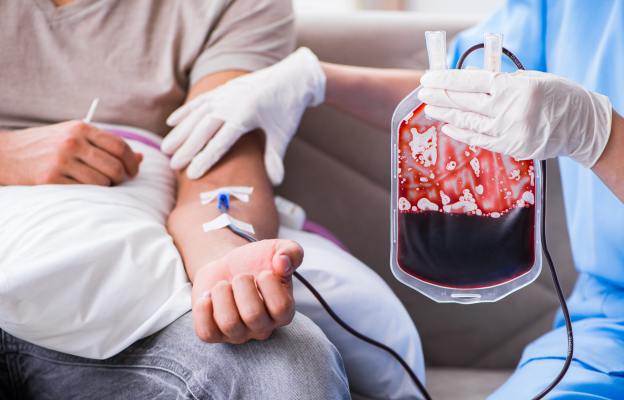
Blood donation is a simple, safe, and life-saving act that helps patients in emergencies, surgeries, and those with chronic illnesses. Donating blood regularly ensures a steady supply for hospitals and can save multiple lives with just one donation. Before donating, you’ll be screened to make sure it’s safe for both you and the recipient. Most healthy adults can donate blood every 8–12 weeks without any harm to their health. By donating blood, you contribute to your community’s well-being and experience the rewarding feeling of helping others in need. If you’re interested, contact your local blood bank or hospital to learn more about how and where to donate.